
BATTERY & NEW ENERGY
Technical Ceramics for Battery
& New Energy Applications
Protect material purity throughout battery production—from crushing and classification to mixing, conveying, and calcination. Explore ceramic components designed for wear resistance, process reliability, and demanding operating conditions.
99.5-Grade Ceramic Rollers
Product Features
Made from imported high-purity alumina raw materials by isostatic pressing, ultra-high-temperature sintering, and precision machining, these ceramic rollers offer high mechanical strength and resistance to wear, heat, and corrosion without introducing impurities into the processed material. Roller specifications can be customized to the operating conditions and design requirements.
Applications
Classification, crushing, and processing of lithium-ion battery cathode materials.
Technical Specifications
| Parameter | Value |
|---|---|
| Maximum dimensions (mm) | Ø600 × 1,000 mm |
| Machining accuracy (mm) | 0.04–0.1 mm |
| Al₂O₃ content (%) | ≥99% |
| Density (g/cm³) | ≥3.9 g/cm³ |
| Wear volume loss (cm³) | ≤0.6 cm³ |
| Hardness (HRA) | ≥88–90 HRA |
Additional Roller Configurations
Applications
For raw-material crushing equipment.
Technical Specifications
| Parameter | Value |
|---|---|
| Dimensions (mm) | Ø350 × 300 mm |
Ceramic Lining Tiles
Product Features
Ceramic lining tiles bond securely to the interior surfaces of processing equipment, providing wear resistance and a smooth, easy-to-clean finish without contaminating the material being processed. Tile sizes and installation services can be tailored to the equipment’s operating conditions and design requirements.
Applications
Mixing and blending equipment for lithium-ion battery materials.
Technical Specifications
| Parameter | Value |
|---|---|
| Al₂O₃ content (%) | ≥95% |
| Density (g/cm³) | ≥3.7 g/cm³ |
| Wear volume loss (cm³) | ≤0.8 cm³ |
Ceramic-Lined Pipes
Product Features
Ceramic linings inside metal pipes help prevent contamination from metal and other impurities during material transfer, while also protecting the material from external contamination. The linings offer wear and corrosion resistance, a long service life, and smooth surfaces that resist material buildup. We offer custom ceramic tubes and complete pipe-lining services, including metal pipes, ceramic liners, and bonding, to meet operating conditions and design requirements.
Applications
Pipelines conveying materials in lithium-ion battery manufacturing.
Technical Specifications
| Parameter | Value |
|---|---|
| Maximum diameter (mm) | Ø500 mm |
| Al₂O₃ content (%) | ≥95% |
| Density (g/cm³) | ≥3.7 g/cm³ |
| Wear volume loss (cm³) | ≤0.8 cm³ |
Ceramic-Lined Fittings
Applications
For material-conveying pipelines, lithium-ion battery mixing equipment, and other equipment requiring wear and corrosion resistance.
Ceramic Classifier Wheels
Product Features
Ceramic classifier wheels classify raw materials while preventing contamination during processing. They offer wear and corrosion resistance and a long service life, with alumina and zirconia material options.
Applications
Processing and classification of battery materials for new energy applications.
Technical Specifications
| Parameter | 99-Grade Alumina | Zirconia |
|---|---|---|
| Density (g/cm³) | ≥3.9 g/cm³ | >6.05 g/cm³ |
| Flexural strength (MPa) | >300 MPa | >800 MPa |
| Hardness (HRA) | ≥90 HRA | 85–88 HRA |
| Parameter | Value |
|---|---|
| Additional sizes | Ø280 × 134 mm |
Ceramic Augers
Product Features
Designed for horizontal, inclined, and vertical conveying of granular or powdered raw materials, ceramic augers prevent contamination during transfer. They combine high hardness, wear and corrosion resistance, and a long service life.
Applications
Raw material conveying in battery and other new energy applications.
Technical Specifications
| Parameter | Value |
|---|---|
| Standard dimensions (mm) | Ø100 × 1,200 mm |
| Al₂O₃ content (%) | ≥99% |
| Density (g/cm³) | ≥3.9 g/cm³ |
| Wear volume loss (cm³) | ≤0.6 cm³ |
| Hardness (HRA) | ≥88–90 HRA |
Zirconia Grinding Discs
Product Features
Zirconia grinding discs grind and crush raw materials without contaminating them. They provide efficient size reduction in both dry and wet processing, along with wear resistance and a long service life.
Applications
Raw material crushing for energy applications.
Technical Specifications
| Parameter | Value |
|---|---|
| Density (g/cm³) | >6.05 g/cm³ |
| Flexural strength (MPa) | >800 MPa |
| Fracture toughness (MPa·m½) | 9 MPa·m½ |
| Hardness (HRA) | 85–88 HRA |
| Parameter | Value |
|---|---|
| Additional sizes | Ø145 × 15 mm |
Ceramic Kiln Linings
Product Features
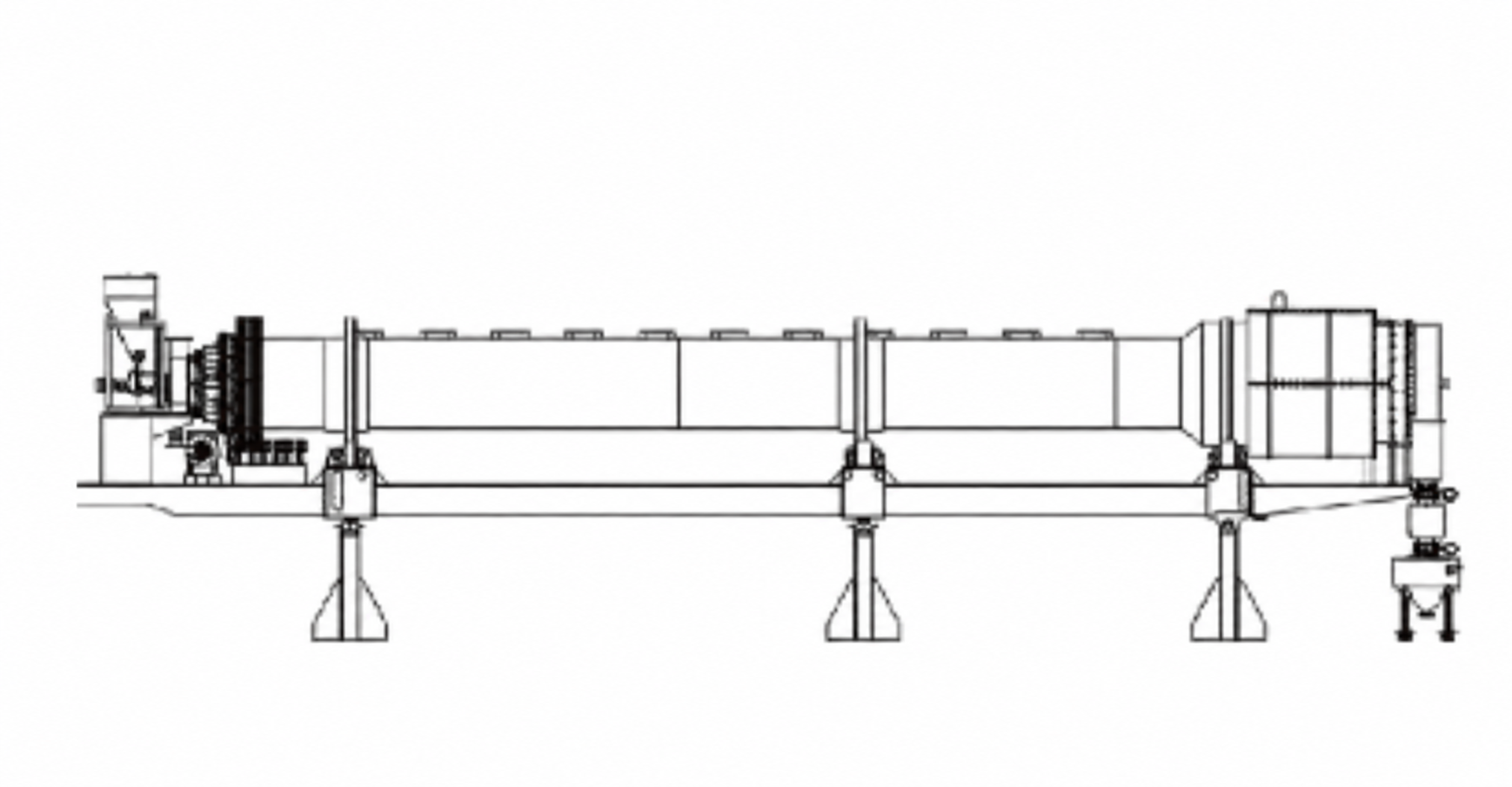
Used inside rotary kilns for calcining lithium-ion battery raw materials, ceramic kiln linings provide corrosion resistance, thermal shock resistance, and good thermal conductivity without contaminating the material being processed.
Applications
Rotary kilns used to calcine battery powders.
Technical Specifications
| Parameter | Value |
|---|---|
| Maximum dimensions (mm) | Ø600 × 1,500 mm |
| Thermal shock resistance | ≥80% strength retention after 10 air-cooling cycles from 1,100°C to room temperature (GB/T 37246) |
| Flexural strength (MPa) | >100 MPa |
| Apparent porosity (%) | ≤0.5% |
ADDITIONAL CERAMIC COMPONENTS
More Products & Applications
Ceramic Rotary Valves
For continuous material discharge and airlock operation in lithium-ion battery production and other industrial processes, while maintaining material purity.
| Parameter | Value |
|---|---|
| Diameter | Ø225 mm |
Ceramic Substrates & Core Rods
For electronics and photovoltaic applications. Available in a variety of sizes.
Thin-Wall Ceramic Tubes
For aerospace applications.
| Parameter | Value |
|---|---|
| Dimensions | Ø2 × 10 mm |
| Wall thickness | 0.18 mm |
Silicon Nitride Ceramic Blades
| Parameter | Value |
|---|---|
| Dimensions | 178 × 6 mm; 78 × 6 mm |
Ceramic Distribution Rings
For filtration applications.
| Parameter | Value |
|---|---|
| Dimensions | Ø200 × 15 mm |
MATERIALS FOR BATTERY PRODUCTION
Why use ceramics in battery-material processing?
Battery-material processing requires control of metal contamination, abrasive wear, powder flow, and high-temperature exposure. Ceramic contact parts and refractories serve different roles at each stage.
Reduce metal contamination
Ceramic contact surfaces reduce exposure to metal wear debris during grinding and classification. Material selection and wear monitoring remain important for maintaining powder purity.
Protect powder-contact surfaces
Abrasive powders wear down processing equipment. Hard ceramic liners and wear parts help protect contact surfaces in grinding, classification, and material transfer.
Match the component to the powder
Augers and rotary valves perform conveying, feeding, and discharge duties. Ceramic contact parts address wear and metal contact; reliable flow also depends on powder properties and equipment design.
Account for heat and chemical attack
Cathode-material calcination exposes refractories to high temperatures and chemical reactions. Material selection must account for the powder chemistry, operating temperature, and heating and cooling cycles.